
Turboprop Charter
REQUEST INSTANT QUOTATION
Request a quote for your next turboprop charter
Turboprops are the most cost-efficient way to fly private, built for short regional trips and access to the small, short, and unpaved runways that jets can’t reach.
This category spans from nimble single-engine turboprops seating 4 to 6 up to twin-engine King Airs with room for up to 11 passengers and a cabin that rivals a light jet. Below, compare every turboprop in our network, see typical hourly pricing, and request an instant quote for your route.
What Defines a Turboprop?
A turboprop is a private aircraft powered by a turbine engine driving a propeller rather than a jet turbofan, typically offering 1,000 to 1,900 nautical miles of range and seating for 4 to 11 passengers.
Turboprops burn less fuel than a jet of comparable size, cost 30–50% less per hour to charter, and can land on runways as short as 3,000 feet — including grass and gravel strips that jets simply can’t use.
Who Charters a Turboprop?
- Budget-conscious private flyers who want the convenience of on-demand charter at the lowest hourly rate
- Travelers to remote or seasonal destinations without a large commercial airport nearby, ski towns, island strips, ranch airfields
- Regional business travelers making short hops under 3 hours
- Groups of 6–11 who need extra seating without stepping up to a light jet’s hourly rate
Single-Engine vs. Twin-Engine Turboprop: What’s the Difference?
The difference is engine count, cabin size, and mission profile, not comfort level:
- A single-engine turboprop, such as the Pilatus PC-12 NGX or Daher TBM 960, is certified for single-pilot operation, seats 4 to 6, and is the most fuel-efficient option for short, direct trips.
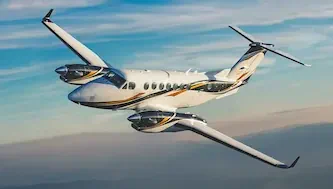
- A twin-engine turboprop, such as the Beechcraft King Air 350i or 360, adds a second engine, a larger stand-up cabin, and seating for up to 11, making it the preferred choice for larger groups, and for operators and clients who prefer the redundancy of a second engine on longer or more demanding routes.
Both classes access the same short and unpaved runways, the choice mainly comes down to group size and route.
Explore Our Single-Engine Turboprop Fleet
These fuel-efficient, single-pilot-certified aircraft offer the lowest hourly rates in private aviation and access to the shortest runways. Select a model to see its exact range, cabin layout, and estimated hourly pricing.
Piper M700 Fury Charter: Flights From $2,100/hr
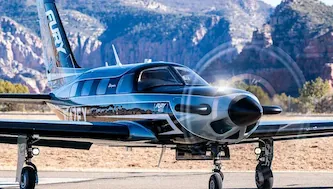
Piper M600 Charter: On-Demand Flights From $1,800/Hour
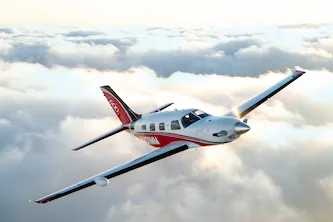
Pilatus PC-12 NGX Charter: Rates, Range & Availability

Epic E1000 GX Private Charter: Cost, Range & Booking
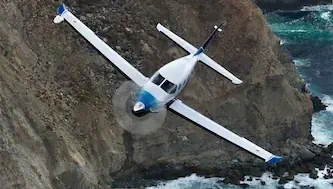
Daher TBM 960 Charter: Pricing & Instant Availability

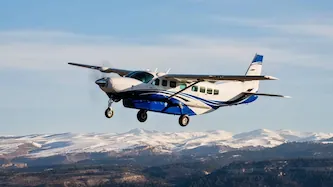
Cessna Grand Caravan EX Charter: Prices & Live Availability
REQUEST INSTANT QUOTATION
Explore Our Twin-Engine Turboprop Fleet
These larger, two-engine aircraft add extra seating and a spacious stand-up cabin, ideal for bigger groups on regional trips. Select a model to see its exact range, cabin layout, and estimated hourly pricing.
Beechcraft King Air 360 Charter | Live Pricing Operators, Fast Quote
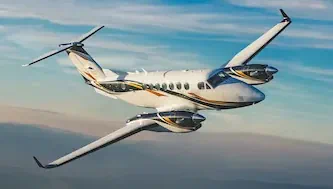
Beechcraft King Air 350i Charter: Rates from $2,200/hr
REQUEST INSTANT QUOTATION
How Much Does It Cost to Charter a Turboprop?
Turboprop charter rates typically range from $1,250 to $2,200 per flight hour — the most affordable category in private aviation. A short regional flight (Teterboro to Miami) on a turboprop averages $2,500–$4,000 all-in, roughly 40–50% less than the same route on a light jet.
| Aircraft Class | Nonstop Range | Typical Hourly Rate |
|---|---|---|
| Single-Engine Turboprop | 1,070–1,852 nm | $1,250–$2,100/hr |
| Twin-Engine Turboprop | 1,806 nm | $1,750–$2,200/hr |
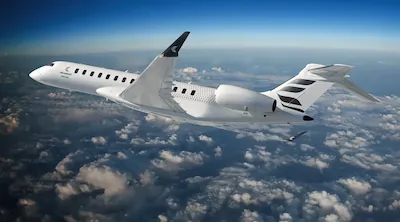
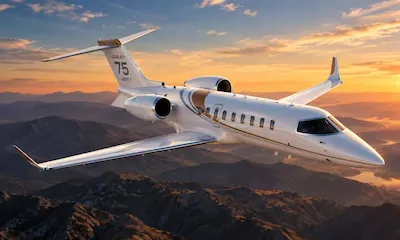
Other Aircraft Categories
Frequently Asked Questions
What is the difference between a single-engine and twin-engine turboprop?
A single-engine turboprop is certified for single-pilot operation and seats 4 to 6 passengers. A twin-engine turboprop, such as the Beechcraft King Air, adds a second engine and a larger cabin seating up to 11.
Is a turboprop cheaper to charter than a jet?
Yes. Turboprops typically cost 30–50% less per flight hour than a comparable light jet, making them the most cost-efficient option for regional trips under three hours.
Can turboprops land on short or unpaved runways?
Yes. Most turboprops in our fleet can operate from runways as short as 3,000 feet, including grass, gravel, and other unpaved strips that jets cannot access.
How many passengers can a turboprop carry?
Single-engine turboprops typically seat 4 to 6 passengers; twin-engine turboprops such as the King Air can be configured for up to 11.
How far in advance do I need to book a turboprop charter?
Standard bookings are typically arranged with a few days’ notice, though same-day and next-day availability is often possible depending on aircraft positioning within our network.
REQUEST INSTANT QUOTATION